Seeing What We’ve Been Trained Not to See: Religious Identity and Belonging at K

My conversation with Liz Candido pushed me to rethink a familiar assumption: that the most welcoming campus is one where religion stays private and ‘secular’ is treated as neutral.

Liz gently but clearly challenges that idea.

(psst…don’t forget the “Try This” section at the end.)

As College Chaplain and Director of the Office of Religious and Spiritual Life (OSRL), she serves as the primary spiritual care provider for our multifaith campus. Chaplaincy in a college setting isn’t about religious instruction; it’s about supporting identity development and walking alongside students in whatever religious worldview they bring — including those who identify as non-religious.

“For many students, religion isn’t separate from identity — it is identity.”

Religion, she reminds us, is a protected class of identity. For many students, it is central to how they understand themselves, their communities, and their values. Even for students who reject religion, that stance is part of a larger worldview.
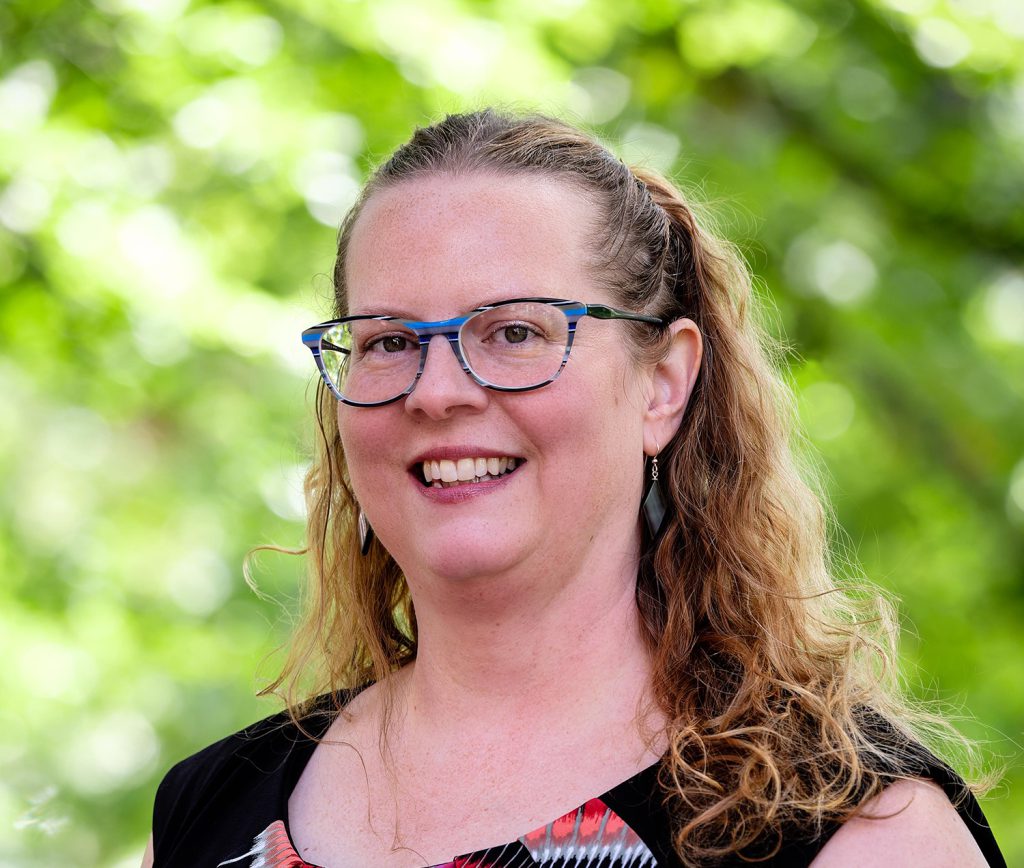
Photo of Liz Candido

🧭 Building interfaith skills

A significant part of Liz’s role involves coordinating interfaith student leaders.  Interfaith work means people of different religious and worldview backgrounds learning with and from one another — including secular students.

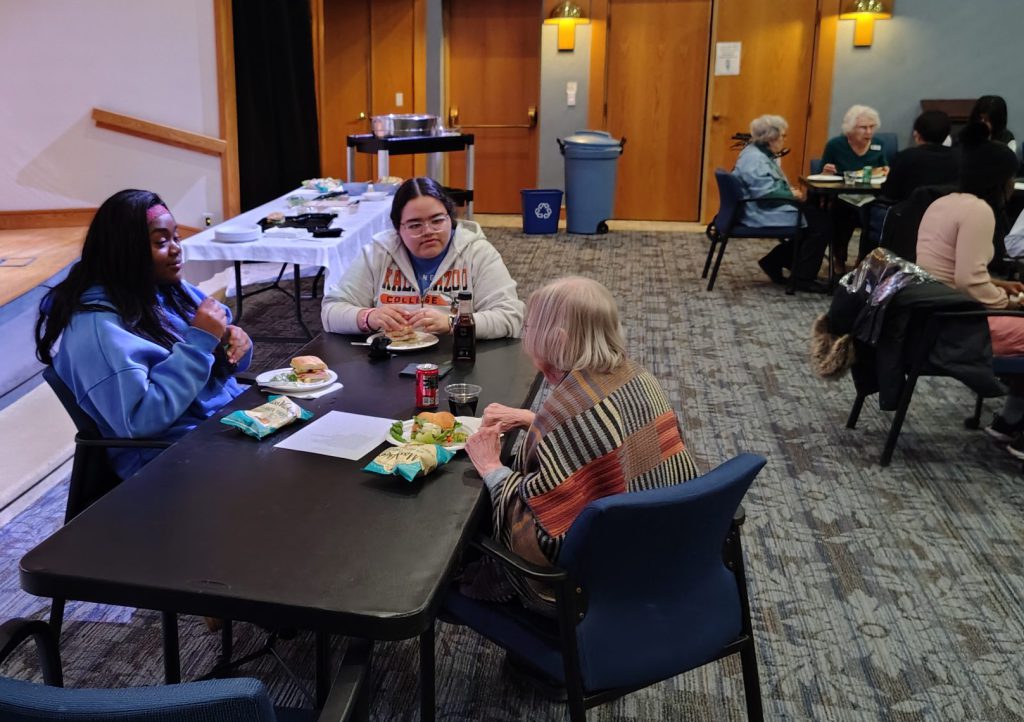
One ground rule: no one represents an entire tradition.  The goal isn’t to debate theology, but to articulate one’s own worldview, stay curious, and explore where things feel complicated — often the place where growth happens.  Through programs like the First-Year Interfaith Dinner Club, students build transferable skills: naming the values shaping their perspectives, distinguishing personal experience from group identity, and navigating difference with curiosity rather than assumption.

🌿Radical hospitality as practice
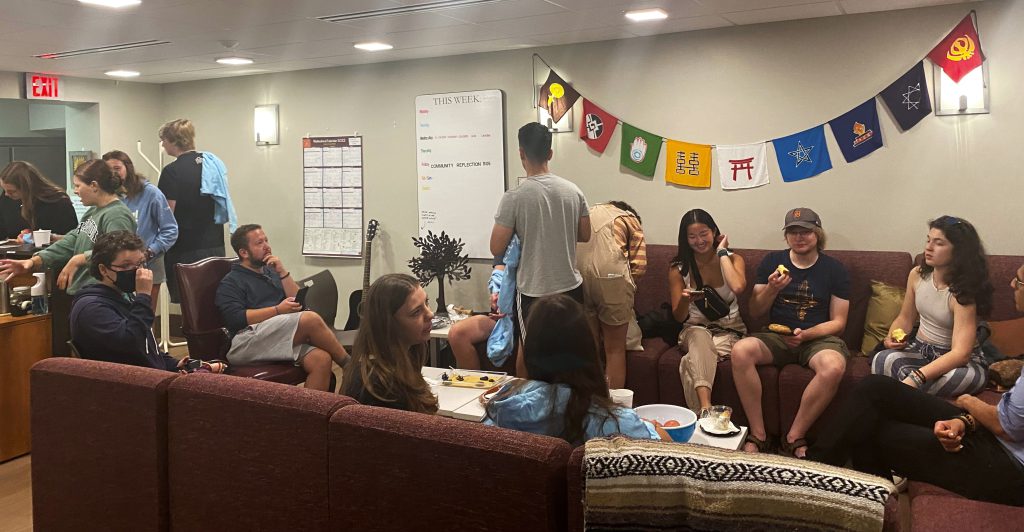
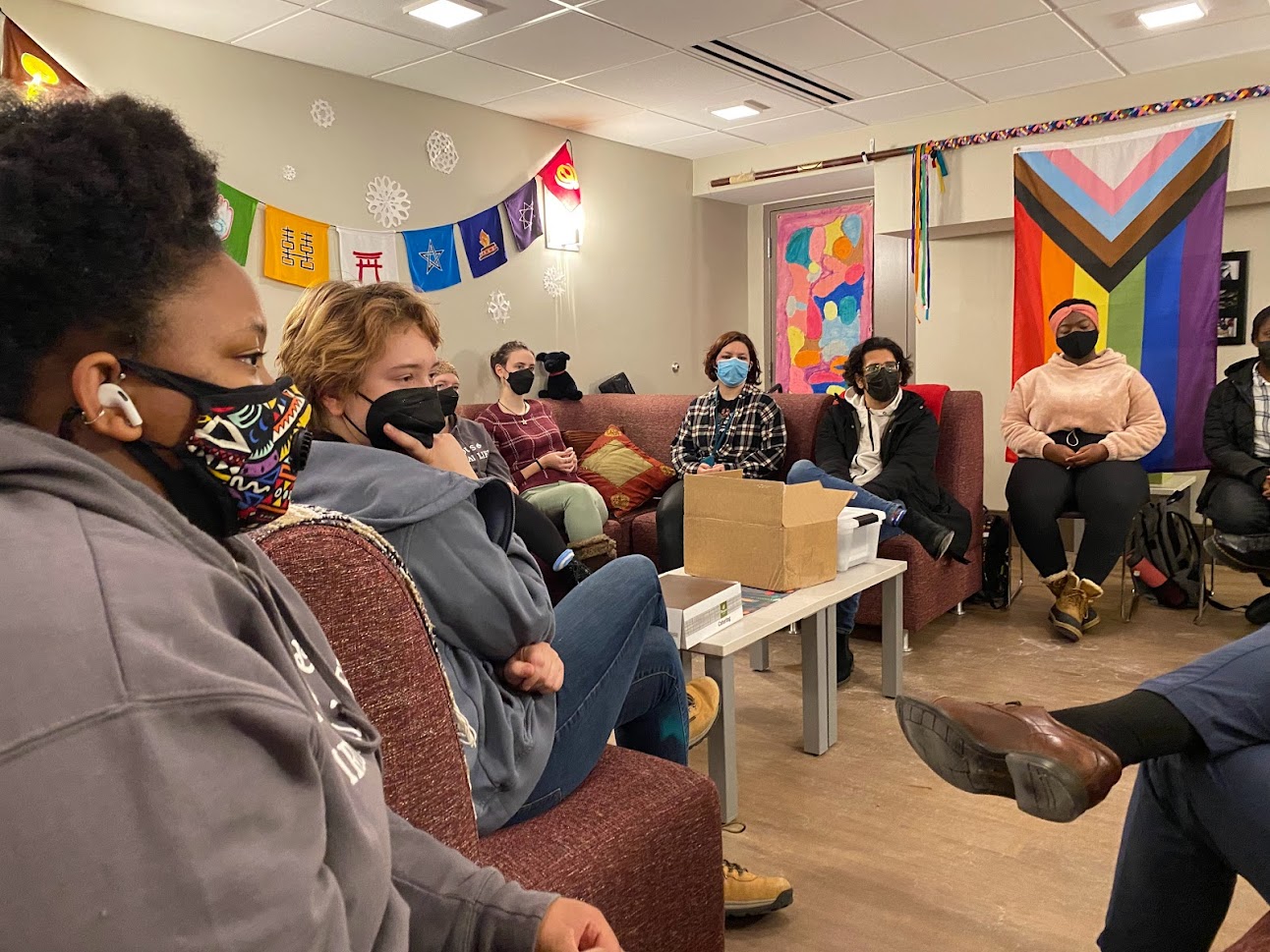
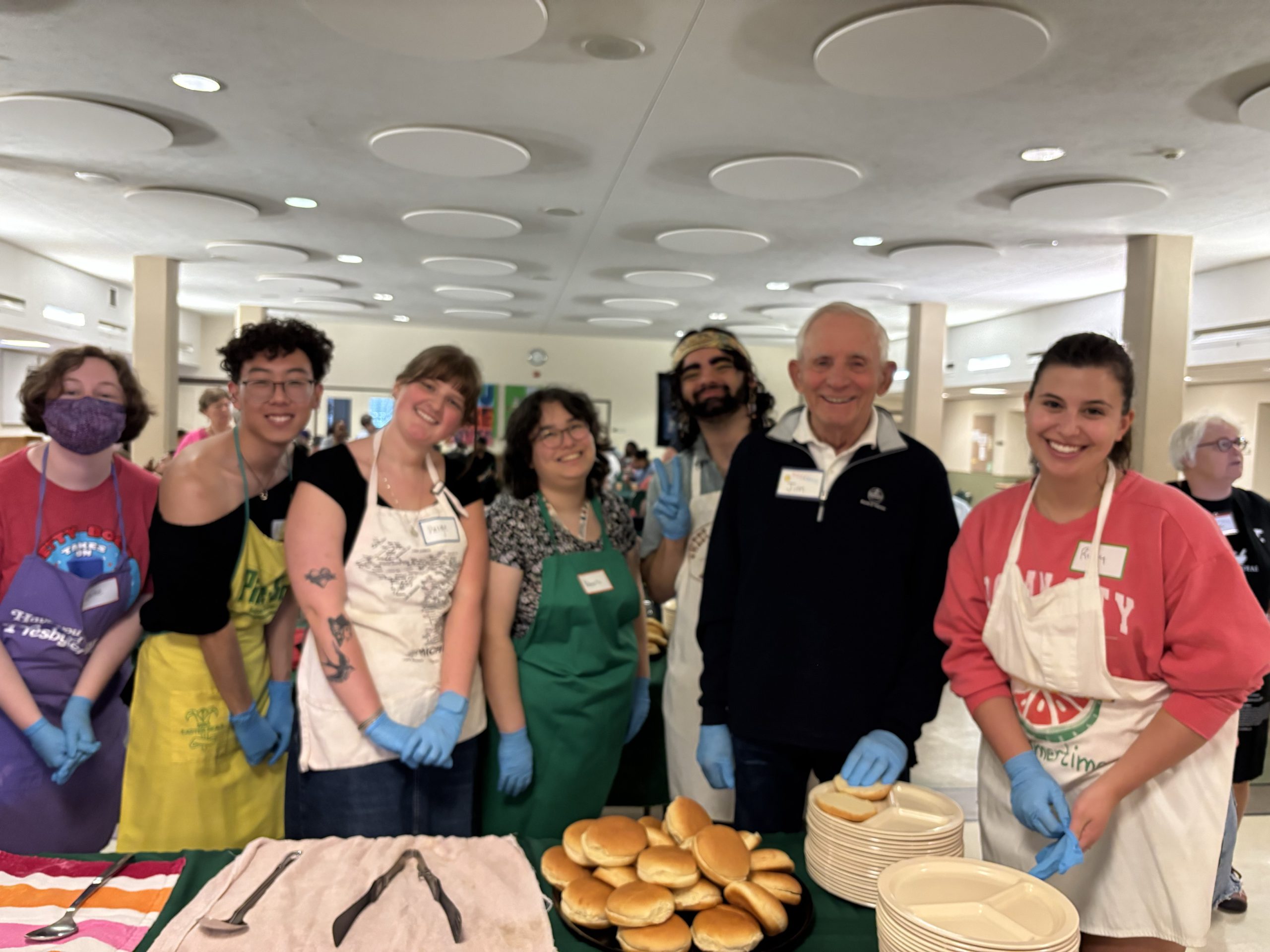
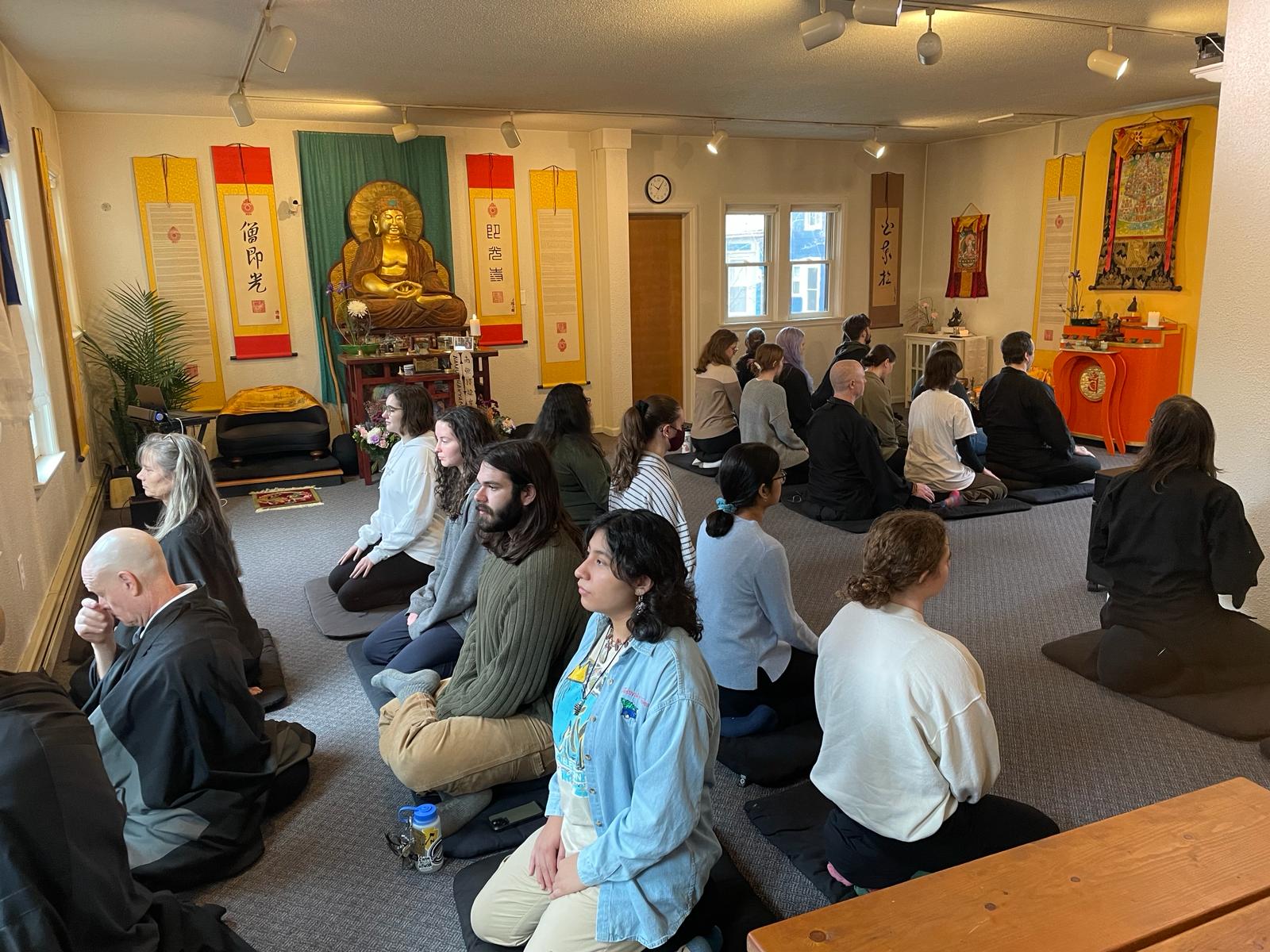
Photos courtesy of Liz Candido

Liz describes “radical hospitality” not as a slogan, but as daily practice.

In orientation sessions, she tells first-year students I’m here for you, no matter your religious connection.  She shows up in spaces like Crystal Queer gatherings to show that OSRL is there for them.  She and her team notice who walks into a room alone. Faculty refer students seeking community.  The Cavern — a space for prayer, reflection, and gathering — is explicitly offered as a resource.

“The way we know we belong in a community,” Liz said, “is to know people see us for who we are.”

That visibility matters. Students wear Stars of David, crosses, hijabs. They are already making parts of their identities visible. A simple acknowledgment — “I notice this; is it important to you?” — can communicate care rather than avoidance.
🛠️Try This

📄 Add a brief religious observance statement to your syllabus. Normalize advance notice and flexibility.

👀 Acknowledge visible markers with curiosity. A simple, respectful question can communicate belonging. 

  • Or as part of class, invite students to reflect on the values shaping their perspectives and where those values come from.  A first-day questionnaire might ask: “Which identities or life experiences are most central to you?” Students may name religion, first-generation status, sexual orientation, race, or other dimensions of identity.

📣 Name resources early. Mention the Office of Religious and Spiritual Life and the Cavern (chapel basement) with advisees and students.


If secular has sometimes meant “we don’t talk about religion,” Liz’s work invites a different possibility: that we can build a campus where students bring their whole selves — religious, spiritual, questioning, or secular — and know they are seen.


Subscribe to our Posts

Did you miss the latest announcement? Subscribe to receive our posts directly to your inbox!
🎧 Connecting First: Ron Dillard on Belonging, Trust, and Showing Up for Students

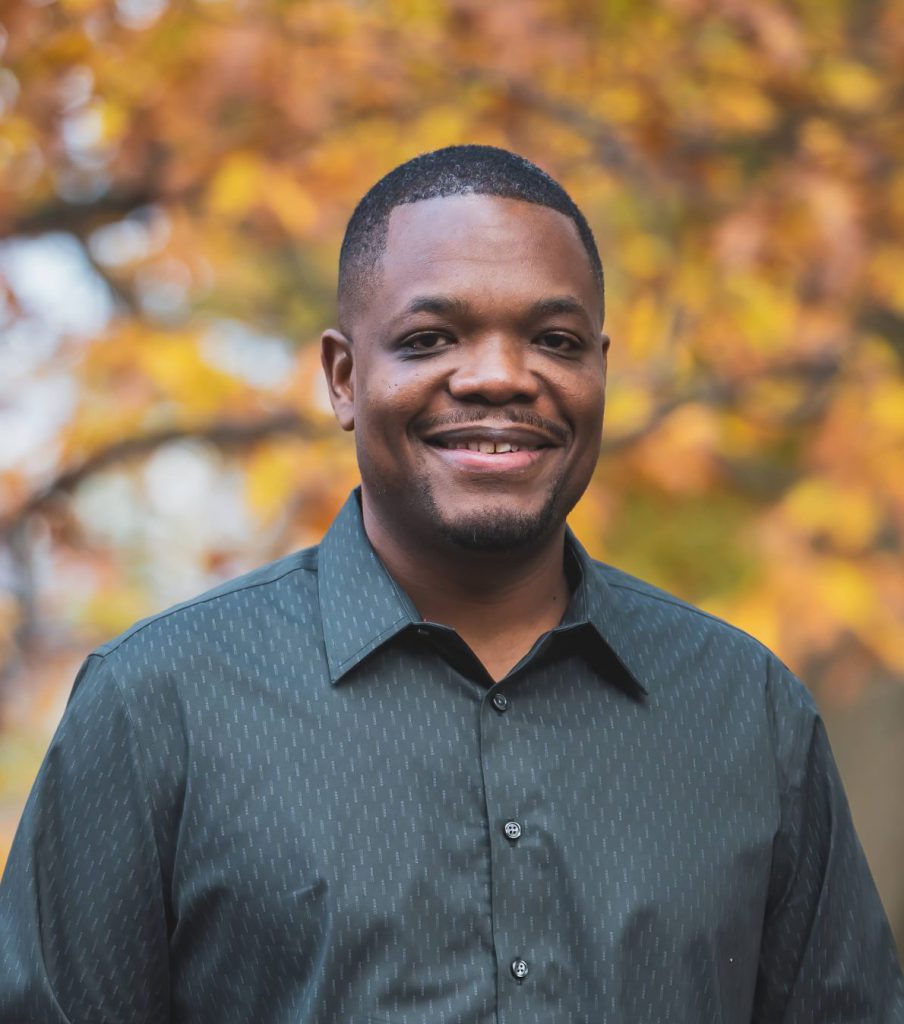
When I met with Ron Dillard, Director of Student Success for Intercultural Student Life and First-Generation College Students, what stood out most was how simply he describes his role: connecting with students wherever he finds them, building relationships, and using those relationships to help students move toward their goals.

Ron just completed his first year in the position, and he talks about the work less in terms of programs or offices and more in terms of presence. He shows up — at events, in conversations, in spaces where students already are — and lets those moments become the work.

“I see my role as connecting with students whenever and wherever I find them on campus.”


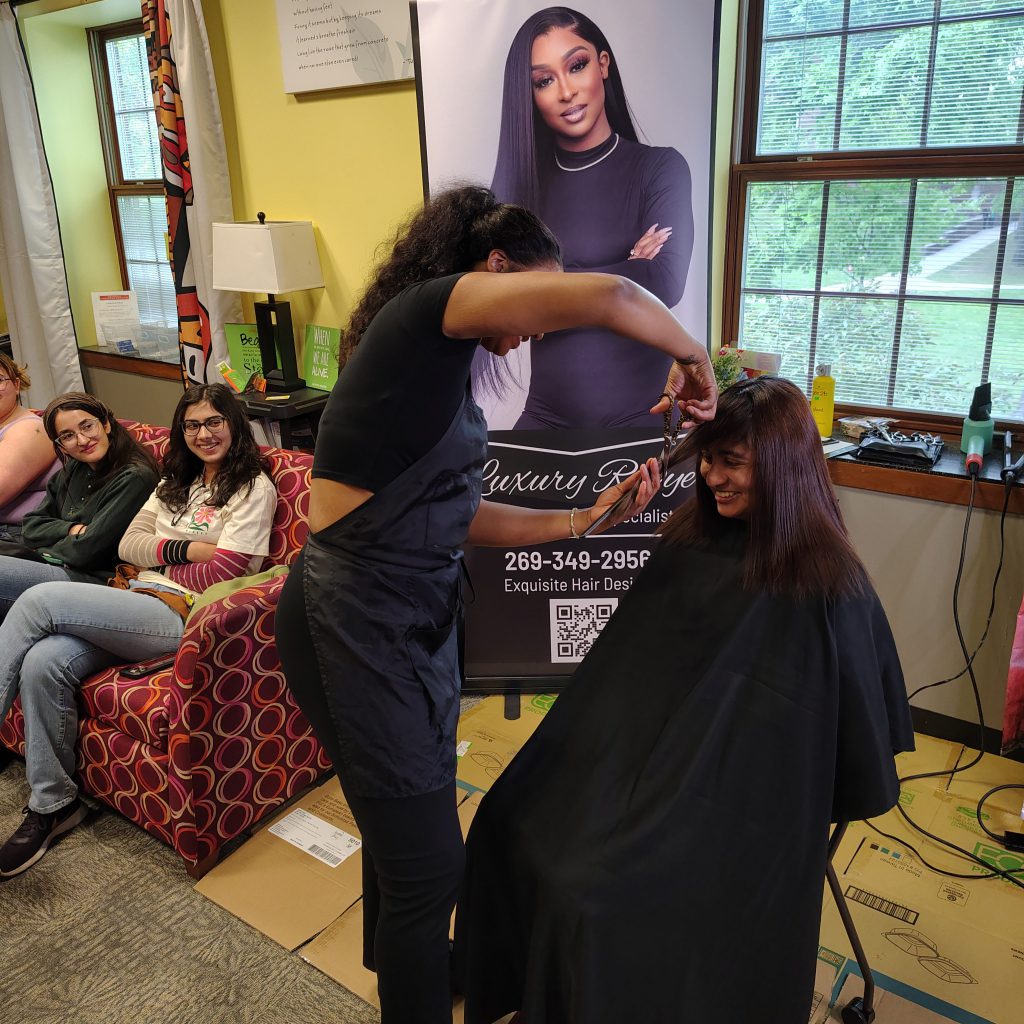
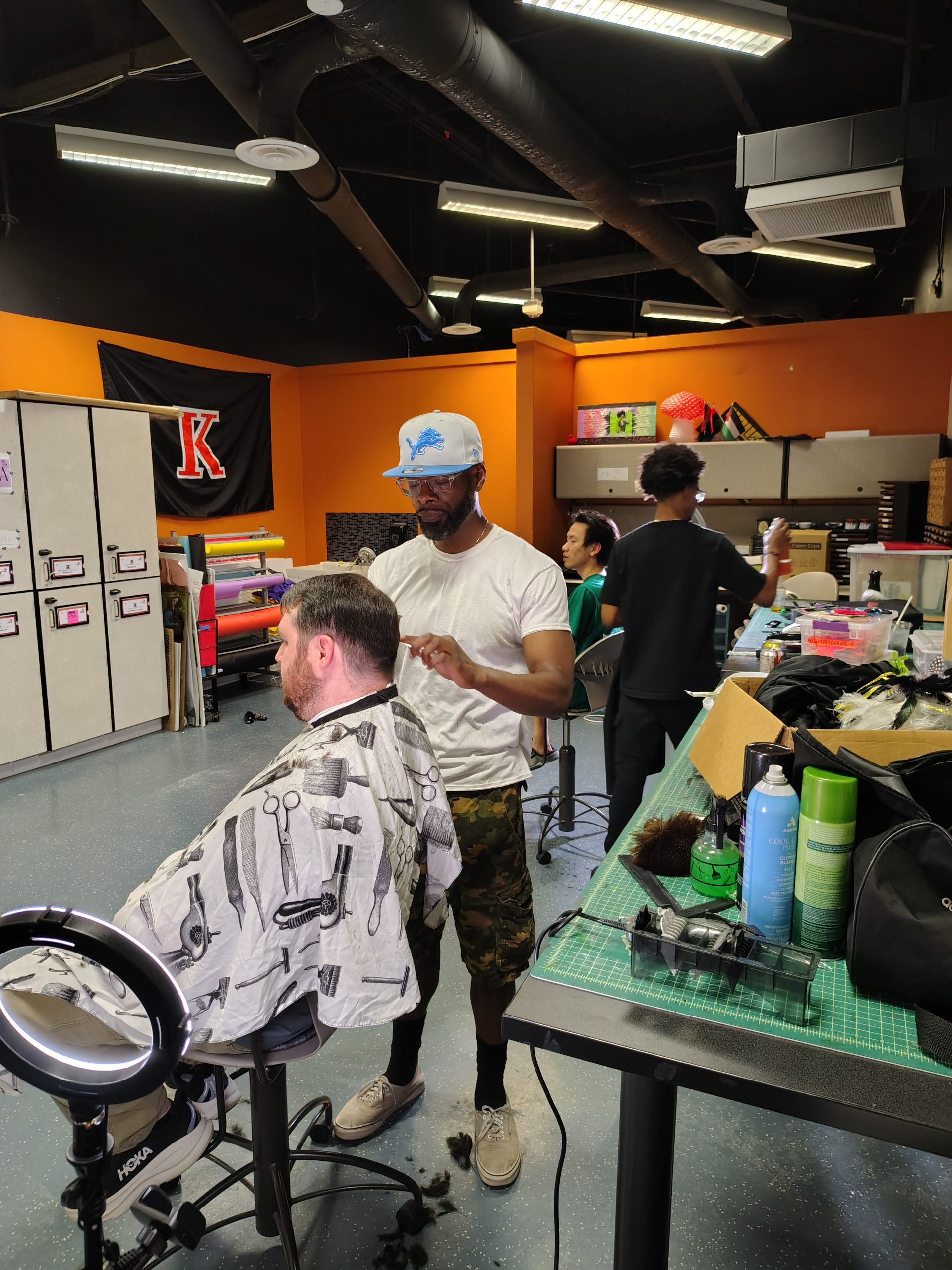
young woman getting hair cut at Intercultural Center Event

🤝 Connection as a way in

Ron shared that connection can happen in many forms: quick conversations, longer check-ins, or through programs like Food for the Soul, which takes place on Mondays at 5:30 p.m. in the Intercultural Center (Hicks 111). Food for the Soul was already a strong program when Ron arrived, and he intentionally used it as a way to enter students’ lives — not to direct them, but to listen.

That same philosophy extends beyond formal programming. One story he shared really stuck with me: this past weekend, Ron was invited to DJ a shaadi (a wedding celebration in Desi culture) on campus. It was cold, it was a Saturday, but he didn’t hesitate.

As he put it, “I was tickled that they liked me enough to fold me into the ceremony, let alone be a part of it.” The event was well attended by a diverse group of students, and for Ron, it was a meaningful signal of trust.


🎶 Learning through stories, music, and openness

Ron brings a lot of his personal style into how he works with students. He often uses music and photos as a way to help students and colleagues see not just who he is now, but the path that brought him there. Stories — his own and others’ — are central to how he builds trust and learns about people.

That approach has also made him a familiar presence at campus events. At KFest, for example, students who had never met him before felt more comfortable approaching him because he was behind a table playing music. What looks like a fun interaction often becomes a starting point for conversation and connection.

“Students pick up quickly on the fact that I don’t have an agenda beyond supporting them.”

Ron is also candid about still being in a learning phase. A year into the role, he is continuing to learn how things work at K, and he sees curiosity — especially toward students — as essential. He emphasized the importance of keeping an open mind, particularly as student experiences and expectations change over time. Assumptions based on how we navigated college when we were 19 don’t always reflect the realities students are facing now.

Rethinking the Intercultural Center

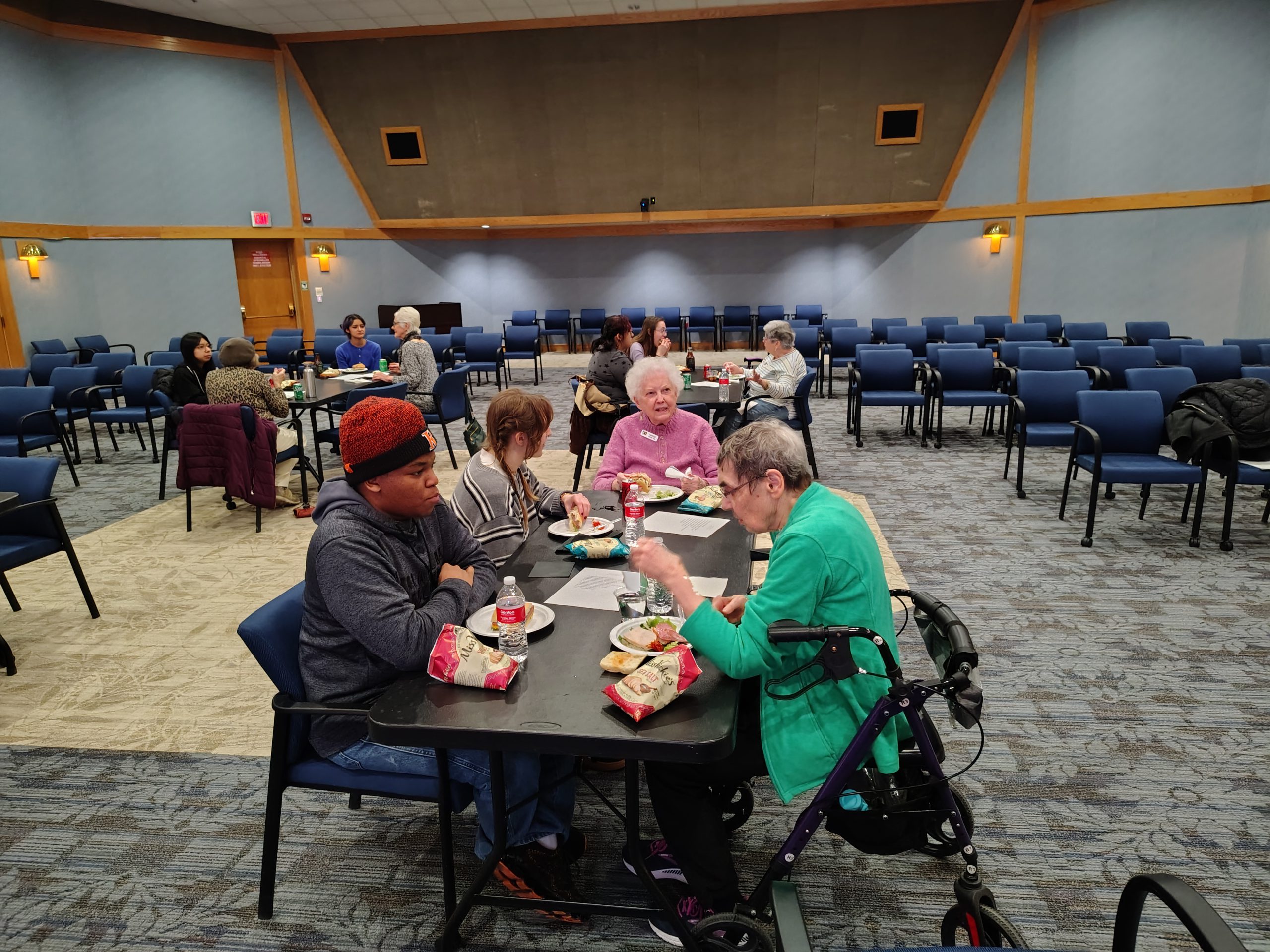
students and seniors snacking and chatting

Current Project: Popping K bubble

Things You Can Try


🏫 Rethinking the Intercultural Center

When Ron arrived, the Intercultural Center (IC) had been without a director for a year, and many students had come to see it as a space intended only for students of color. Ron recognized that students were testing him — poking to see who he was and what the space would become.

He has been intentional about guiding the IC toward being a space where different people, experiences, and perspectives can come together, while still centering intercultural student life.

The IC is also supported by Milan Levy and student staff members Carter, Amirat, and Anahi. He emphasized how essential student staff are — not just as helpers, but as consultants who bring important student perspectives.


🌉 Current project: Popping the “K bubble”

One of Ron’s current projects reflects a goal he had early on: helping students step beyond the “K bubble.” Many students come to Kalamazoo from hundreds of miles away and spend most of their time within a very small radius of campus. Ron sees that as a missed opportunity — not just geographically, but relationally.

Through a partnership with Friendship Village, Ron helps facilitate sustained, one-to-one connections between students and older adults in the community. These relationships unfold over time, with pairs meeting regularly throughout the term. While it might be easy to assume this is about students helping older adults, in practice the exchange is reciprocal. Students learn things they could never get from a book or a video — perspective, lived history, and a different way of moving through the world. As Ron put it, there’s a particular kind of “magic” that happens when an 18-year-old and an 80-year-old take the time to really listen to one another.

The project is also about helping students understand that the college is part of a larger community — and that meaningful learning happens in relationship, often outside formal classrooms.


🛠️ Things faculty and staff can try

  • 🎵 Use music as an icebreaker. Let a student choose a song to start a meeting or conversation. Ask why they picked it.
  • 👂 Ask with curiosity, not assumptions. Students’ challenges may look very different from what we experienced.
  • 📝 Plan with students, not just for them. When designing programming, involve students early and often.

photos courtesy of Ron Dillard

Getting Students to Read with Chris Hakala

I wanted to brag about a recent GLCA workshop I watched — Getting Students to Read with Chris Hakala of Springfield College. I watched the recording and am sharing a summary (with help from CoPilot).

⭐ Overview

In this talk, cognitive psychologist Chris Hakala breaks down what really happens when students read and why so many of them struggle with reading comprehension. He explains that reading isn’t a simple skill students should already have mastered when they come to us; it’s a complex interaction between attention, background knowledge, memory, vocabulary, and motivation. And when any one of those pieces is missing, students quickly become overwhelmed and disengaged.

“As humans we search for the easiest pathways through tasks…But once you get in that habit it’s difficult to change. In higher ed we need to try to inculcate in our students the habits of considering metacognitive awareness of what we’re doing and how to control that. You’re reading something hard? Have a strategy of getting through it. Reading something that doesn’t seem interesting? Look for things that are interesting; when you’re done, reflect on it.”

The first half focuses on why students disengage. They think it takes too long, they don’t see the relevance, they feel disconnected from the material, or they lack the context needed to make sense of what they’re reading (he spends more time on this). His examples show how disorienting academic reading can feel without the right scaffolding.

From there, he turns to what faculty can do—practical, evidence-informed strategies before, during, and after reading that help students build meaning, connect ideas, and develop metacognitive awareness. Hakala outlines specific techniques that support attention, strengthen comprehension, and model the expert thinking we often take for granted. These range from previewing and contextualizing readings, to modeling annotation and self-explanation, to using tools like annotation platforms, to structuring post‑reading concept maps or reflection prompts.

🎒 Ideas for Faculty to Try Right Away

🧭 Model Your Reading Process for Students

In class, show students how you would approach a reading. Where do you start? What do you notice? What do you look for?  Where do you pause?  What background knowledge do you draw on?  What do you do when confused? What do your annotations look like?  What do you annotate?

🗺️ Provide Context Before Students Read

Offer a brief preview: What is the reading about, why are they reading it, what should students look for? A brief “when done I want you to think about…”  This context setting can dramatically improve comprehension.

Another example was “Know-Want-Learn”: Before starting the reading what do you already know about the topic?  What do you want to get out of it?  After the reading what did you learn?

🎙️ Ask Students to Self-Explain

After reading, have them write a short paragraph or record a 1-minute audio note explaining the main ideas in their own words. Or this can be an end of the week reflection. This can reveal misunderstandings and strengthens comprehension and encoding into memory.