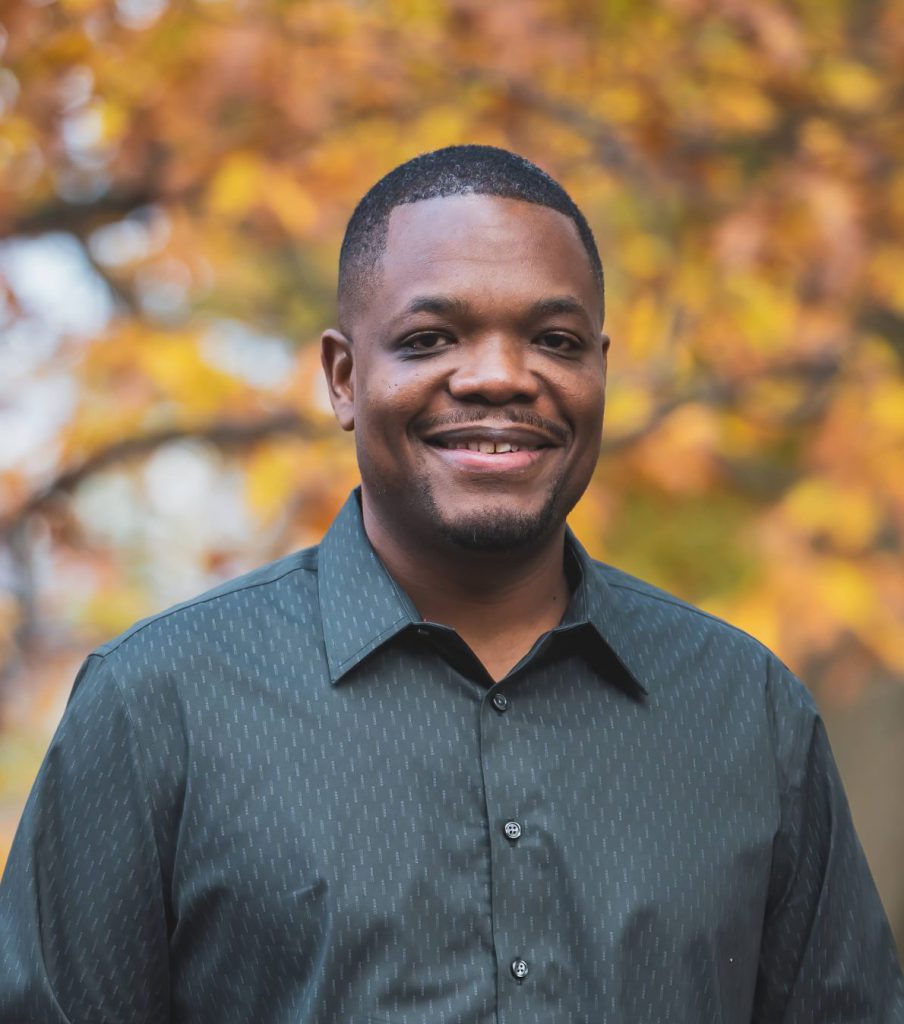
When I met with Ron Dillard, Director of Student Success for Intercultural Student Life and First-Generation College Students, what stood out most was how simply he describes his role: connecting with students wherever he finds them, building relationships, and using those relationships to help students move toward their goals.
Ron just completed his first year in the position, and he talks about the work less in terms of programs or offices and more in terms of presence. He shows up — at events, in conversations, in spaces where students already are — and lets those moments become the work.
“I see my role as connecting with students whenever and wherever I find them on campus.”
🤝 Connection as a way in
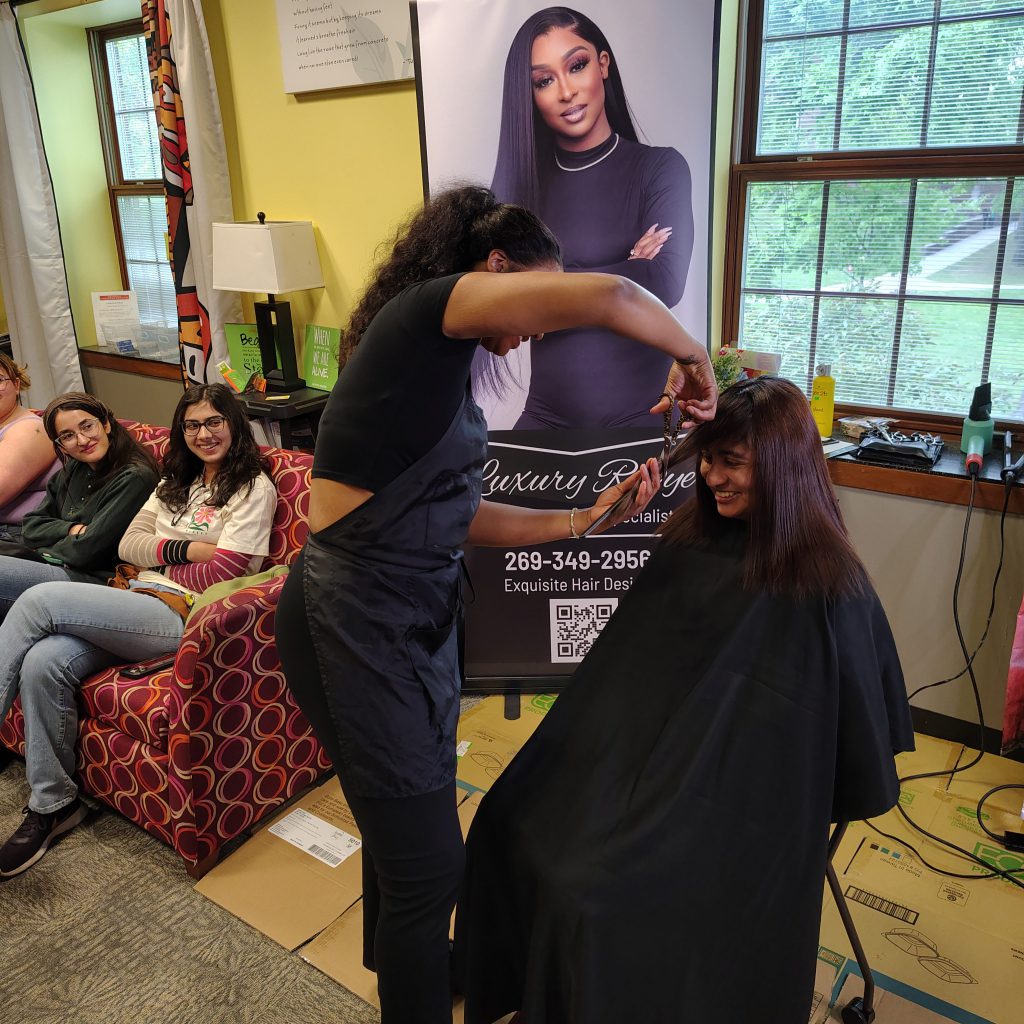
Ron shared that connection can happen in many forms: quick conversations, longer check-ins, or through programs like Food for the Soul, which takes place on Mondays at 5:30 p.m. in the Intercultural Center (Hicks 111). Food for the Soul was already a strong program when Ron arrived, and he intentionally used it as a way to enter students’ lives — not to direct them, but to listen.
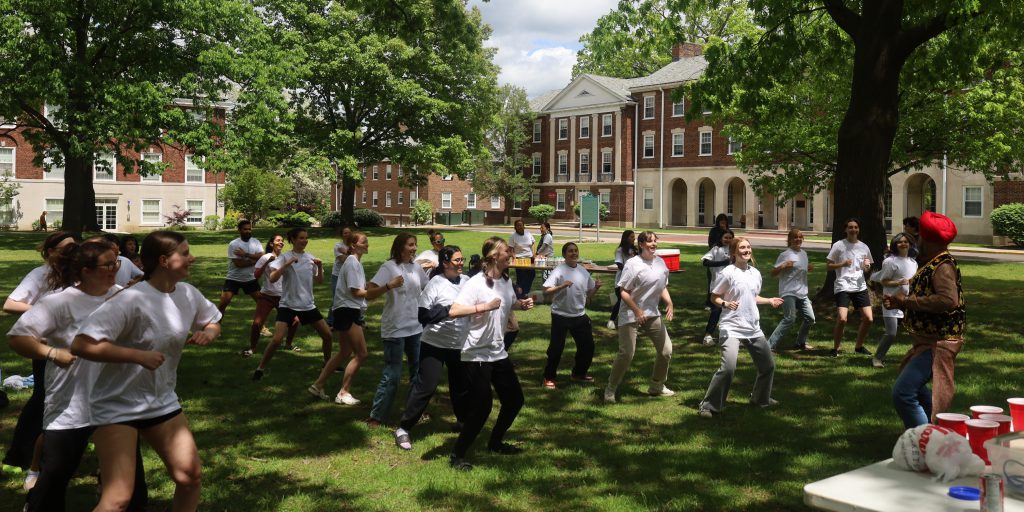
That same philosophy extends beyond formal programming. One story he shared really stuck with me: this past weekend, Ron was invited to DJ a shaadi (a wedding celebration in Desi culture) on campus. It was cold, it was a Saturday, but he didn’t hesitate.
As he put it, “I was tickled that they liked me enough to fold me into the ceremony, let alone be a part of it.” The event was well attended by a diverse group of students, and for Ron, it was a meaningful signal of trust.
🎶 Learning through stories, music, and openness
Ron brings a lot of his personal style into how he works with students. He often uses music and photos as a way to help students and colleagues see not just who he is now, but the path that brought him there. Stories — his own and others’ — are central to how he builds trust and learns about people.
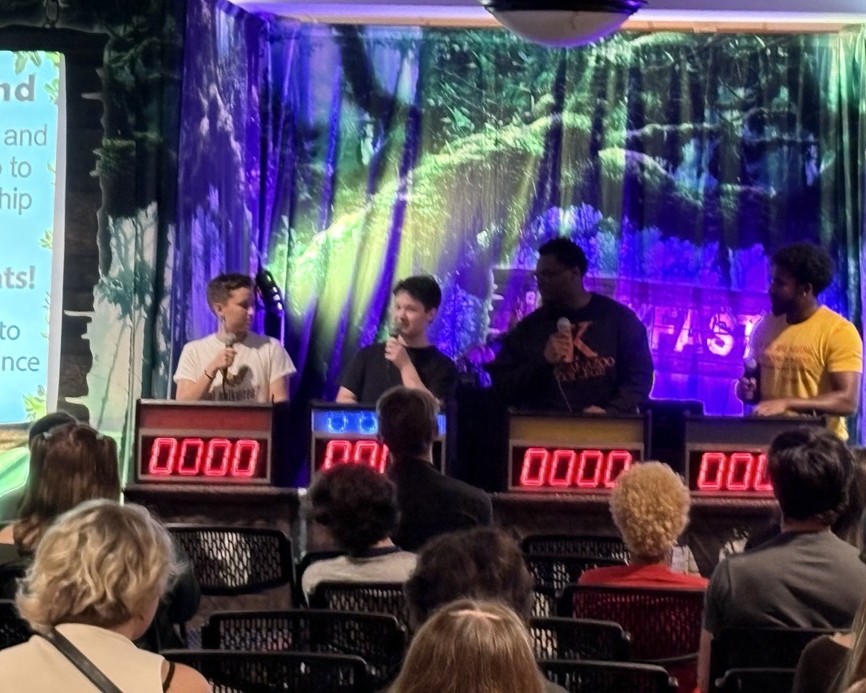
That approach has also made him a familiar presence at campus events. At KFest, for example, students who had never met him before felt more comfortable approaching him because he was behind a table playing music. What looks like a fun interaction often becomes a starting point for conversation and connection.
“Students pick up quickly on the fact that I don’t have an agenda beyond supporting them.”
Ron is also candid about still being in a learning phase. A year into the role, he is continuing to learn how things work at K, and he sees curiosity — especially toward students — as essential. He emphasized the importance of keeping an open mind, particularly as student experiences and expectations change over time. Assumptions based on how we navigated college when we were 19 don’t always reflect the realities students are facing now.
Rethinking the Intercultural Center
Current Project: Popping K bubble
Things You Can Try
🏫 Rethinking the Intercultural Center
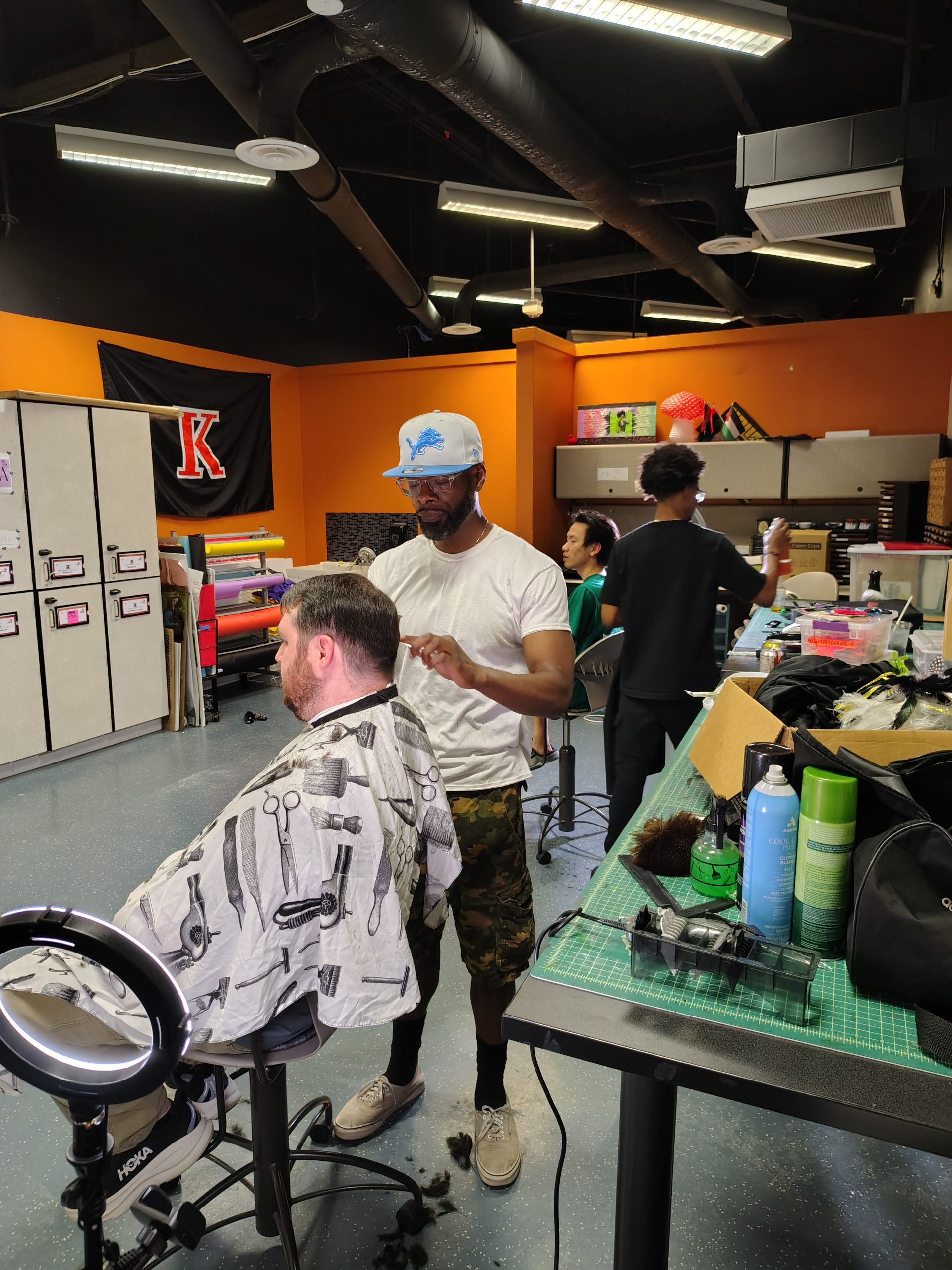
When Ron arrived, the Intercultural Center (IC) had been without a director for a year, and many students had come to see it as a space intended only for students of color. Ron recognized that students were testing him — poking to see who he was and what the space would become.
He has been intentional about guiding the IC toward being a space where different people, experiences, and perspectives can come together, while still centering intercultural student life.
The IC is also supported by Milan Levy and student staff members Carter, Amirat, and Anahi. He emphasized how essential student staff are — not just as helpers, but as consultants who bring important student perspectives.
🌉 Current project: Popping the “K bubble”
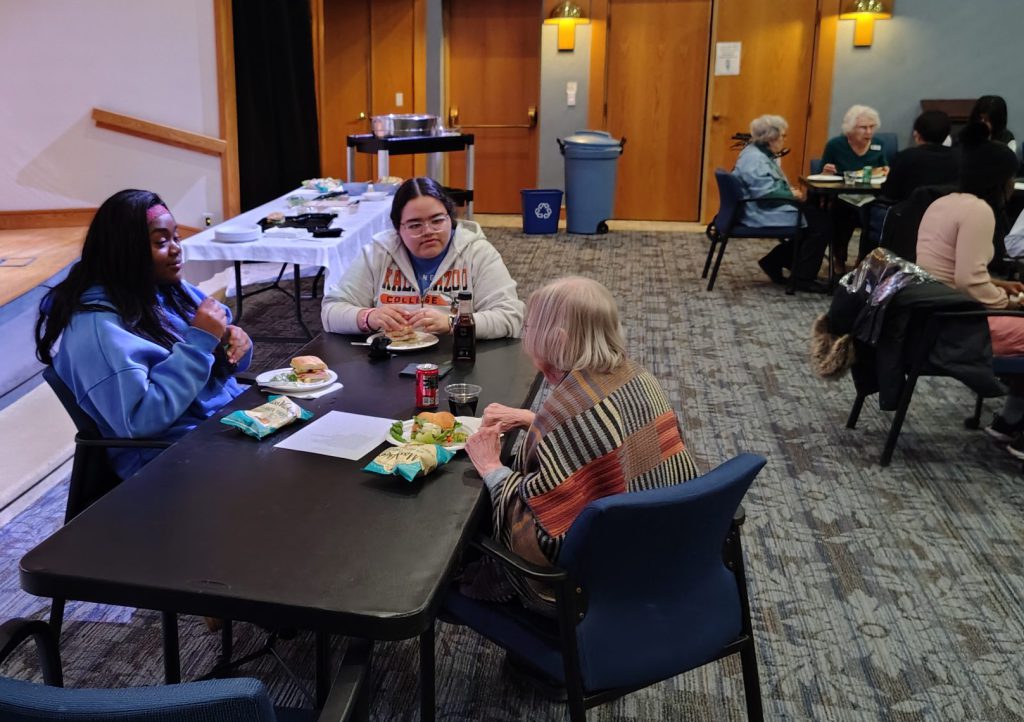
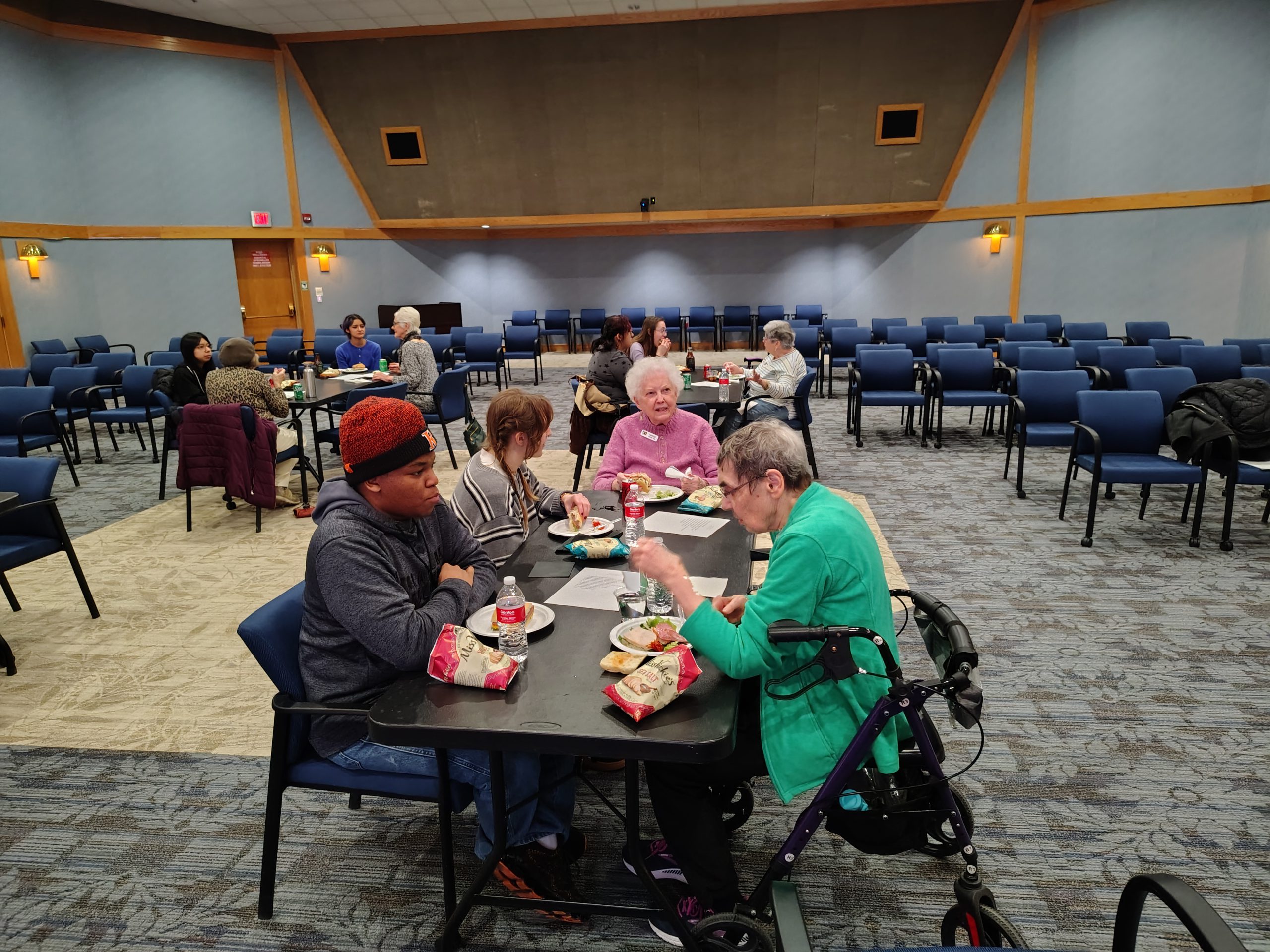
One of Ron’s current projects reflects a goal he had early on: helping students step beyond the “K bubble.” Many students come to Kalamazoo from hundreds of miles away and spend most of their time within a very small radius of campus. Ron sees that as a missed opportunity — not just geographically, but relationally.
Through a partnership with Friendship Village, Ron helps facilitate sustained, one-to-one connections between students and older adults in the community. These relationships unfold over time, with pairs meeting regularly throughout the term. While it might be easy to assume this is about students helping older adults, in practice the exchange is reciprocal. Students learn things they could never get from a book or a video — perspective, lived history, and a different way of moving through the world. As Ron put it, there’s a particular kind of “magic” that happens when an 18-year-old and an 80-year-old take the time to really listen to one another.
The project is also about helping students understand that the college is part of a larger community — and that meaningful learning happens in relationship, often outside formal classrooms.
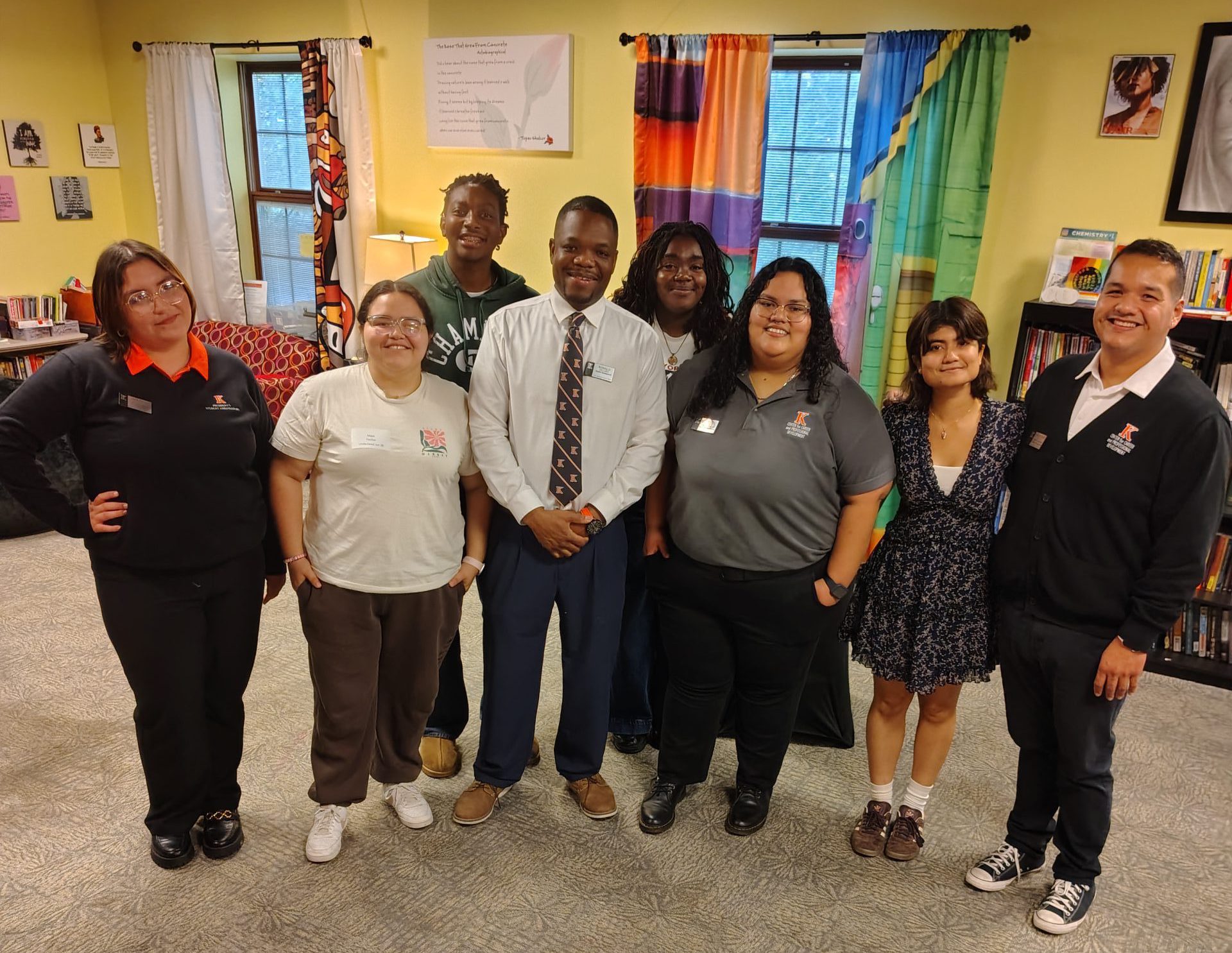
🛠️ Things faculty and staff can try
- 🎵 Use music as an icebreaker. Let a student choose a song to start a meeting or conversation. Ask why they picked it.
- 👂 Ask with curiosity, not assumptions. Students’ challenges may look very different from what we experienced.
- 📝 Plan with students, not just for them. When designing programming, involve students early and often.
photos courtesy of Ron Dillard